About Breast Cancer
Breast cancer is the most common cancer in the UK, but with earlier diagnosis and better equipment, more people are surviving than ever before.
This page provides information to help you understand what breast cancer is, how it develops, what symptoms to look for, who is at risk, and why early detection matters.

What Is Breast Cancer
Breast cancer happens when cells in the breast grow and divide in an abnormal, uncontrolled way. Over time, these cells can form a lump or tumour, which may be cancerous (malignant). Cancer can develop in different areas of the breast, including the ducts that carry milk, the lobules that produce milk, and the surrounding tissue.
There are several different types of breast cancer. The type depends on which cells are affected and whether the cancer has spread beyond its original area.

Symptoms of breast cancer
Many people first notice a change in their breast that doesn't feel quite right. It's important to remember that not all changes are caused by cancer, but they should always be checked by a GP.
It's normal for breasts to feel lumpy or change slightly at different times of the month, but if you notice a change that is new, different from your usual pattern, or doesn't go away, it's important to speak to your GP as soon as possible.
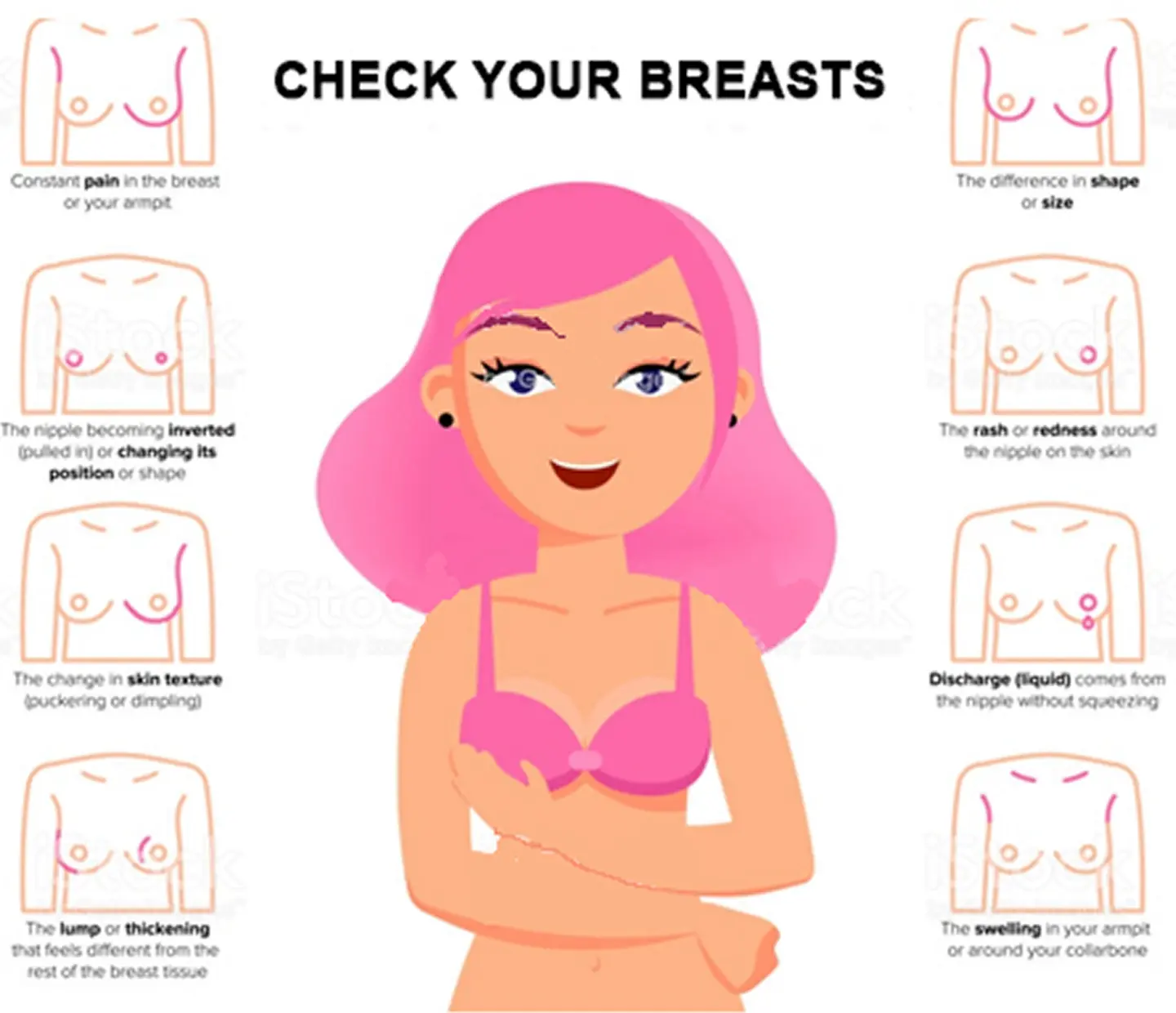
Common symptoms of breast cancer can include:
- A new lump or area of thickened tissue in the breast or under the arm
- Swelling in part or all of the breast
- A change in the size, shape or appearance of the breast
- A nipple that becomes pulled in (inverted) when it wasn’t before
- Persistent pain in the breast or nipple that is not related to your usual cycle
- Changes to the skin on the breast, such as redness, dimpling, puckering or skin that looks like an orange peel
- A change in the texture of the skin or a rash around the nipple
What Causes Breast Cancer
There is no single cause of breast cancer. Instead, a mixture of genetic, hormonal, lifestyle and environmental factors can influence your risk. Some of these risks can be reduced or managed; others are part of your medical or family history and cannot be changed.
Weight and Body Fat
Being overweight or obese, especially after the menopause, can increase the risk of breast cancer.

Alcohol
Drinking alcohol increases the risk. The more you drink on a regular basis, the higher the risk.
Physical Activity
Being inactive or sitting for long periods can contribute to weight gain and hormone changes. Regular activity can help reduce risk.
Lifestyle changes cannot guarantee that you will not develop breast cancer, but they can play a part in reducing your risk and improving your general health

Hormonal Medicines
Using the contraceptive pill or Hormone Replacement Therapy (HRT) for a long time can slightly increase the risk for some women. In many cases this returns to normal after stopping these medicines.
Famil History and Inherited Risk
Some families have a higher rate of breast cancer and related cancers. This may be due to shared genes, shared lifestyle factors, or a combination of both.
If you are worried about your family history, your GP can discuss your risk with you. They may refer you to a specialist genetics service, where you can talk about genetic testing, additional screening or risk-reducing options.
- Several close family members have had breast cancer, especially if they were diagnosed at a younger age
- There is a history of ovarian, prostate or pancreatic cancer in the family
- A known inherited gene change (such as BRCA1 or BRCA2) has been found in a close relative

Screening and Early Detection
Early detection is one of the most important factors in improving survival from breast cancer. Many breast cancers detected at an early stage can be treated successfully with better outcomes.
NHS Breast Screening
Routine Check Ups
In the UK, the NHS Breast Screening Programme invites women within a certain age range to attend mammograms (breast X-rays) every few years. The exact age range can vary slightly by region, but invitations typically start from the late 40s or early 50s.
A mammogram can detect changes in the breast that are too small to see or feel. Finding breast cancer early through screening can:
- Make treatment simpler and more effective
- Reduce the need for more aggressive treatments
- Improve the chances of long-term survival
Being Breast Aware
Self Checking at Home
Screening is only one part of early detection. It is also important to know what is normal for your breasts and to check them regularly.
If you notice anything unusual or a change that does not go away, contact your GP. It may be nothing serious, but it is always better to get it checked. You do not need a special technique, but you should:
- Look at your breasts in the mirror from different angles
- Feel all parts of your breasts and under your arms from time to time
- Be aware of any new changes in size, shape, skin or nipple
Common Treatments
Treatment for breast cancer is tailored to each person. Your medical team will consider the type of cancer, its stage, your overall health and your preferences when recommending a treatment plan.
Surgery to remove the cancerous area, sometimes followed by breast reconstruction
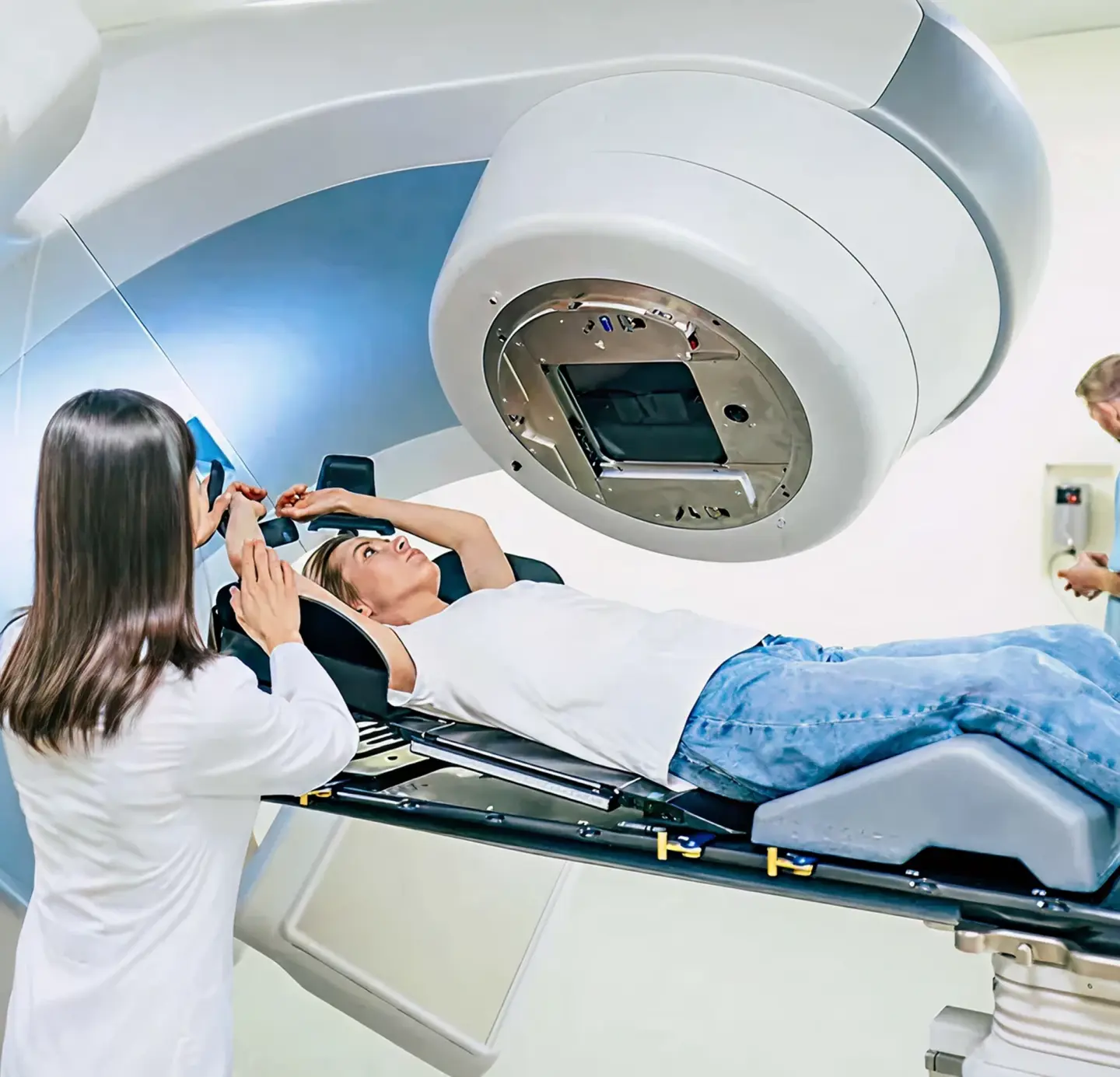
Radiotherapy to destroy remaining cancer cells in the breast or surrounding area
Chemotherapy, which uses medicines to kill cancer cells or stop them growing
Hormone therapy for cancers that are sensitive to hormones such as oestrogen
Targeted therapies and immunotherapies, which are designed to attack specific cancer cells or support the immune system in fighting cancer